Posted on

Demo rod rental program

I’ve been involved in both the fly fishing industry and the winter resort industry for about 40 years.

One thing I’ve noticed is that, unlike the ski and snowboard world, the fly fishing industry has never really developed a true demo rental program. In ski and snowboard shops, it’s very common to rent equipment by the day, by the week, or even for the season. Many shops also offer demo rentals for top models, allowing customers to try the latest gear on snow. If they like it and decide to purchase from the same shop, the rental fee is often applied toward the new purchase.

I haven’t really seen that kind of system in fly fishing.

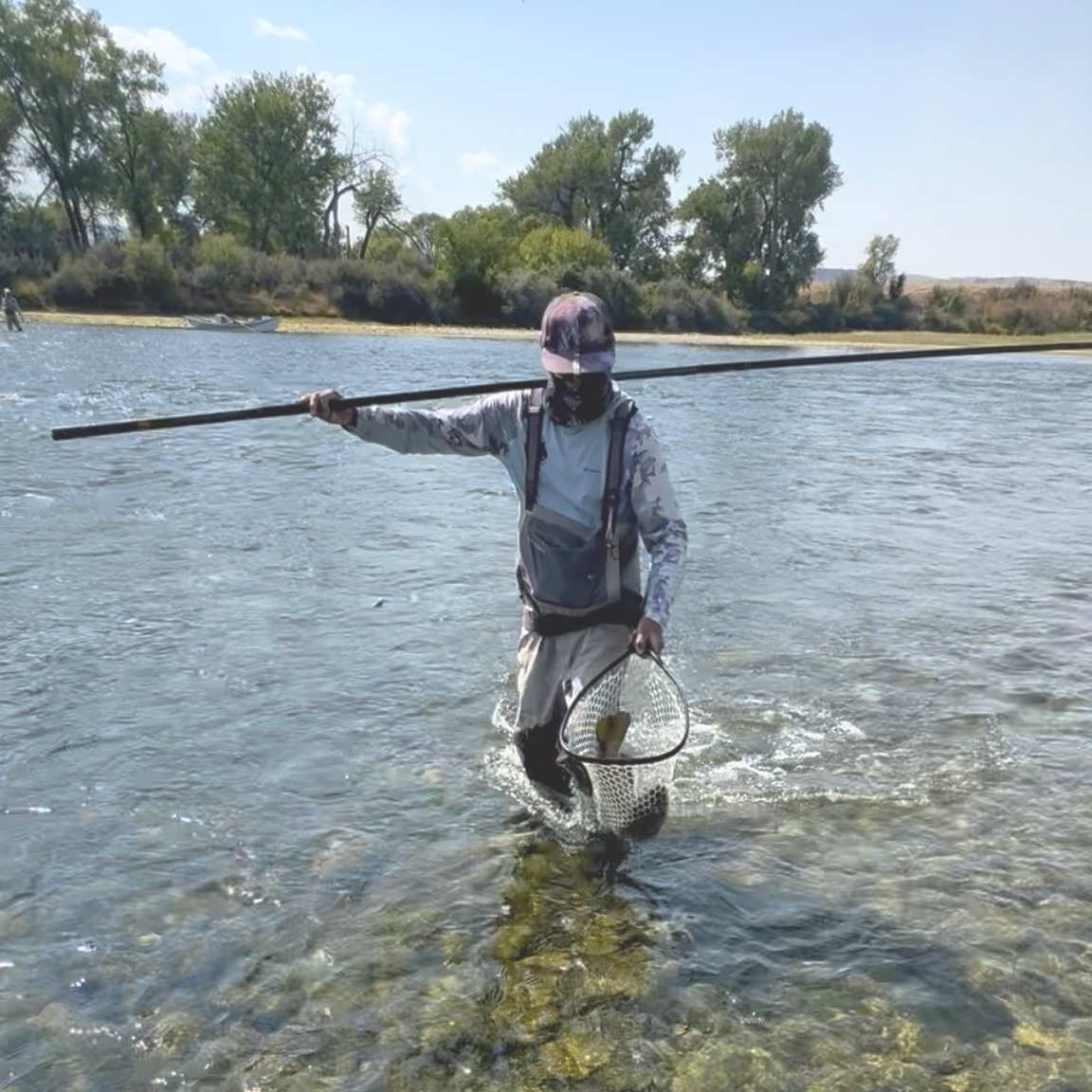
That’s why I created a demo rental program for my Honryu and Keiryu rods. It’s a simple idea, but I think it makes a lot of sense.

Since I run my business online and don’t have a physical storefront, I’ve built round-trip UPS shipping into the program to make it easy for customers to try the rods.

If you decide to purchase a new rod after the demo, I will apply the demo rental fee as a credit toward your purchase. In other words, the money you paid for the demo will not be wasted if you decide to move forward with a new rod.

My goal is to make it easier for anglers to actually fish these rods before making a decision. Honryu and Keiryu rods are specialized tools, and I believe the best way to understand them is to experience them on the water.

Posted on

how to attach the sighter(s) on a line

How to attach sighters to your line

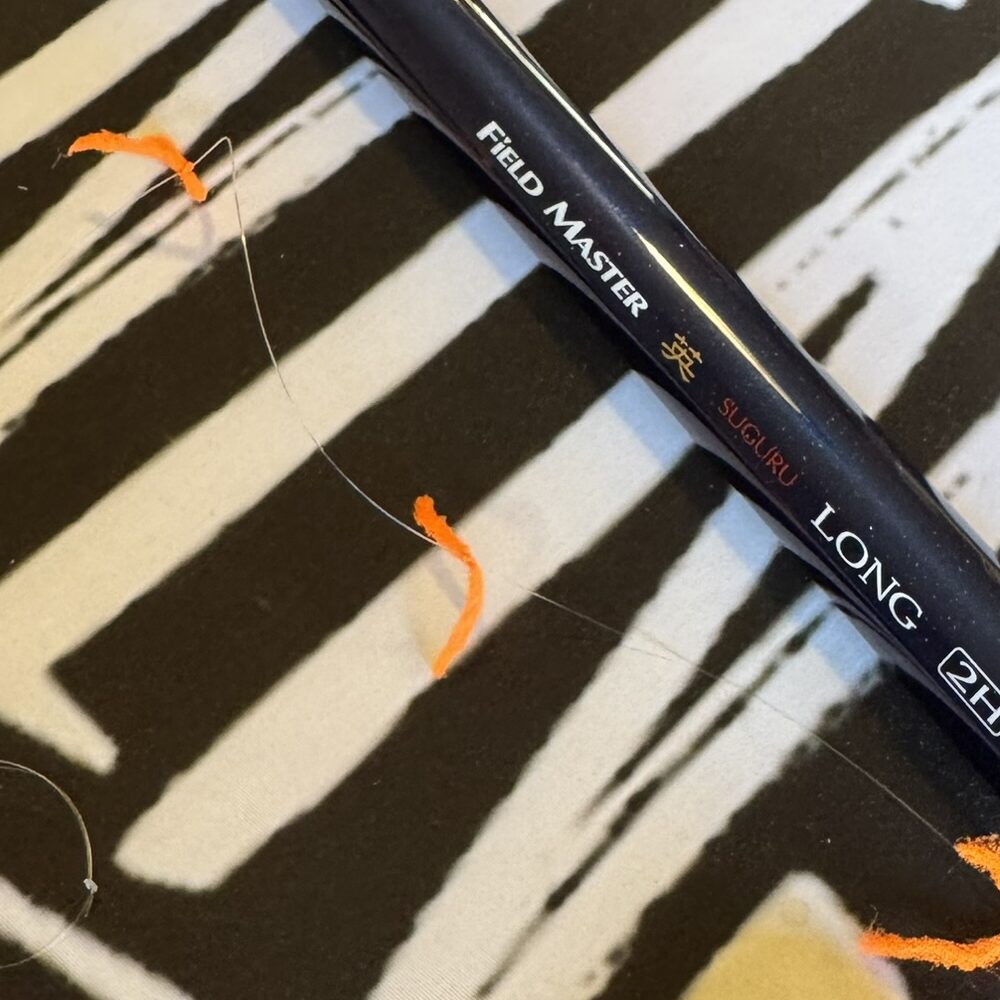
In this video, I’ll show you how to attach sighters to your line and explain why they are so important when fishing with a Honryu or Keiryu rod.

Sighters help you not only detect strikes, but also keep track of where your line is during the drift.

Unlike tenkara rods, Honryu and Keiryu rods are quite long. For example, a 7-meter Honryu rod is over 21 feet long, and when you add a line of similar length attached to the rod tip, your drift can easily be 30 feet away from you or more. That means your line is often far enough away that it can be difficult to see and control without a visual reference.

About half of the strikes can be felt directly through the line, because the line often stays fairly tight during the drift. The other half are detected visually by watching the line or the sighters. If the line stops, hesitates, or shows any unnatural movement in the drift, that’s the moment to set the hook.

I like to keep the sighter about 1 to 2 feet above the water’s surface. That way, I can make micro-adjustments to the drift depth — 6 inches deeper, 6 inches shallower, 12 inches deeper, 12 inches shallower, and so on.

I also like to use two or three different colors for my sighters. For example, I might arrange them red, green, and white from top to bottom.

From my experience, when I use red as the bottom sighter, fish sometimes come up and strike at it. It seems that fish may be especially attracted to red, so I usually prefer to use green or white for the bottom sighter instead.

Posted on

Connect a line to Honryu / Keiryu rod – slip knot

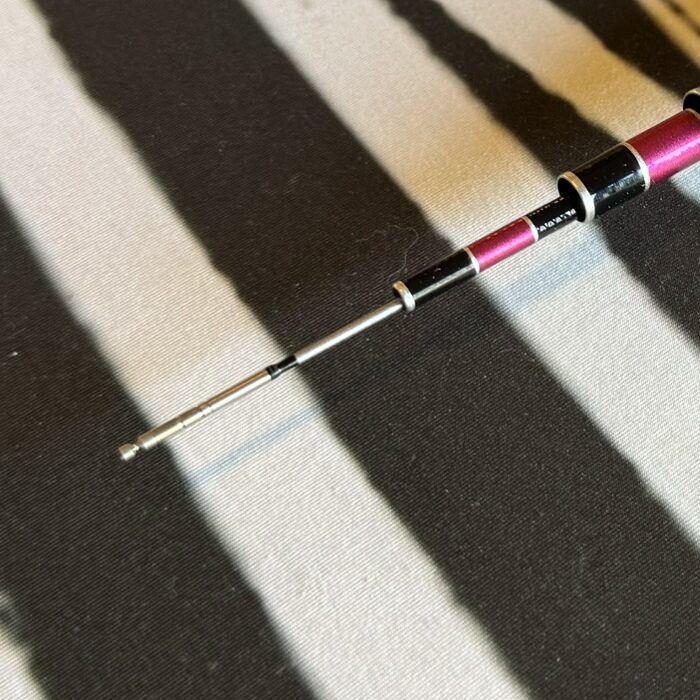
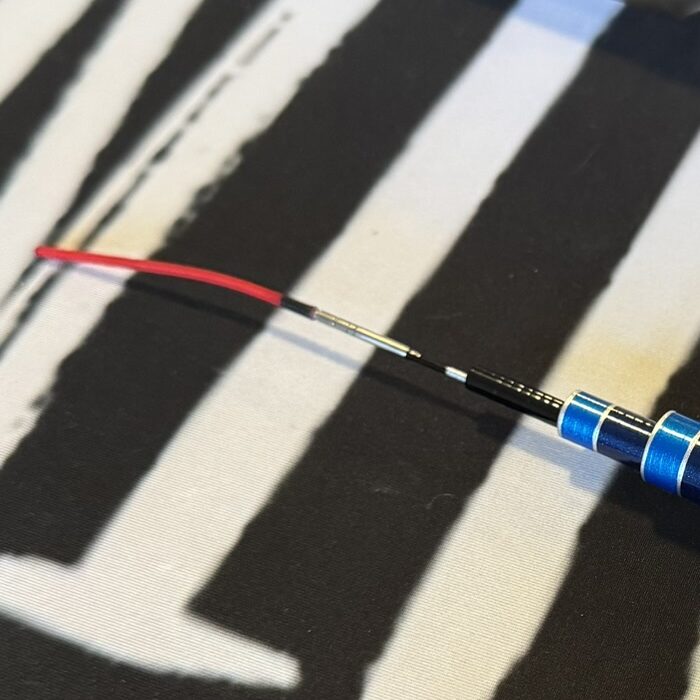
The second way to connect a line to Honryu / Keiryu rod is by using a slip knot, or cowboy knot. This method works especially well if your Honryu rod has a metal tip instead of a lillian.

Since the metal tip has a narrow groove for the line, there often isn’t enough space for the doubled line made by the chichiwa knot. That’s why the slip knot can be a better option.

Posted on

Honryu / keiryu how to attach a line

How to connect a line to the Honryu rod

In this video, I’ll show you two simple ways to connect a line to the Honryu rod.

The first way is by using a chichiwa knot. Chichiwa knot is a fixed loop knot.
You make a loop with a double figure-eight knot and attach it to the rod tip.
It’s simple, quick, and very easy to do.

The second way is by using a slip knot, or cowboy knot.
This method works especially well if your Honryu rod has a metal tip instead of a lillian top.

Since the metal tip has a narrow groove for the line, there often isn’t enough space for the doubled line made by the chichiwa knot. That’s why the slip knot can be a better option.